Interior Demolition and Dust Control: Safety, Health, and Property Protection
When planning an interior demolition project, the main focus is usually on removing walls, flooring, and old appliances and fixtures. However, one of the most important and often overlooked aspects of any project is dust control.
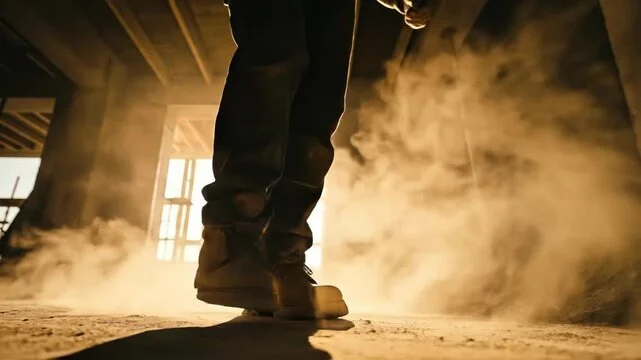
Whether you're removing ceramic tile flooring, plaster and lath walls, demolishing drywall, or removing carpet and wood flooring, airborne dust can quickly become a serious concern to your well being and property. Proper dust containment protects workers, homeowners, building occupants, and valuable property while helping maintain a clean and safe work environment.
What Is Construction Dust?
Most construction related dust is made up of fine particles released into the air when building materials are cut, broken, drilled, sanded or moved.
During interior demolition, common sources of dust include:
Drywall removal (gypsum, fiberglass)
Plaster & lath demolition (gypsum, lime,sand)
Tile floor & wall removal (vinyl, resin, ceramic,stone)
Mortar and grout demolition (sand, cement, lime)
Hardwood floor removal (fungal spores and toxic chemical resins)
Carpet removal (dander, mites, mold spores, dirt)
Concrete and masonry demolition (lime, sand gypsum)
Insulation removal
These particles can remain suspended in the air for hours and travel throughout a home if proper containment measures are not in place.
Why Dust Control Is Critical During Demolition
Dust control is not simply about keeping a jobsite clean—it's about protecting people and property. Without proper containment, demolition dust can spread through out HVAC systems, settle on furniture and fixtures, and create unnecessary health risks.
Effective dust control helps:
air quality and a safer worksite
cleanup costs
Protect finished surfaces and property
Minimize dust migration
Improve project efficiency
Airborne Dust Health Risks
Do NOT underestimate the potential dangers of prolonged exposure to construction dust.
Depending on the age, condition and makeup of a building, airborne particles may contain materials that can irritate the respiratory system, eyes, and skin.
Short-term exposure may cause:
Coughing
Sneezing
Eye irritation
Throat irritation
Respiratory discomfort
Skin irritation
Repeat exposure can increase respiratory health concerns for construction workers, contractors, and individuals frequently exposed to demolition environments.This is why proper personal protective equipment (PPE) and dust-control are essential on every construction project.
Controling Dust During Interior Demolition
Whether you're a professional contractor or a homeowner completing a DIY renovation, these dust-control methods can significantly reduce airborne debris.
Isolate the Work Area
Install plastic containment barriers around demolition zones to prevent dust from spreading into occupied areas. Ex: Zipwall barriers, Plastic sheeting with supports and making tape.
Use HEPA Filtration
These are the best! HEPA-filter vacuums aka air scrubbers capture fine airborne particles and help improve indoor air quality throughout the project. A 100sqft bathroom can go from a clouded mess to a clean air environment within minutes with the aid of a quality HEPA filter.
Create Negative Air Pressure
Negative air machines help direct contaminated air out of the workspace, this reduces dust migration into neighboring rooms as well as decreases wind which may disturb dust.
Wear Proper Protective Equipment
Approved Respirators, safety glasses, gloves, and protective clothing provide protection against airborne dust and debris. PPE these says is more affordable and accessible than ever, don't take it for granted.
Maintain Continuous Cleanup
Keep cleaning! Frequent vacuuming, Brooming and debris removal help prevent excessive dust accumulation and maintain a safe work environment. We can't be the only ones who do not like working in filth, right?
Protecting Furniture, Fixtures, and Finished Surfaces
One of the biggest concerns during interior demolition is protecting areas that are not being renovated. Often times items can not be removed due to size, weight or permanent installation
Before demo. begins:
* Remove furniture whenever possible
* Cover furniture with plastic sheeting
* Protect cabinets and countertops
* Cover appliances and fixtures
* Seal HVAC vents and duct openings
* Install floor protection in adjacent spaces
* Use zip-wall systems and containment barriers
* If necessary use Air scrubbers with proper venting
These preventative measures help reduce cleanup time and protect valuable property from dust contamination.
Why Professional Demolition Contractors Prioritize Dust Control
Professional interior demolition companies and contractors understand dust management is a critical part of renovation preparation.
A well executed demolition project should not only remove unwanted materials but also protect the property, improve safety, and prepare the space for the next phase of construction Without delay. Especially because of cleanup setbacks.
Taking the time to prepare and Investing in proper dust containment today can prevent costly and time consuming problems tomorrow while ensuring a safer and more professional project from start to finish.